Blog
Drums should give the music exactly what it needs—without overplaying

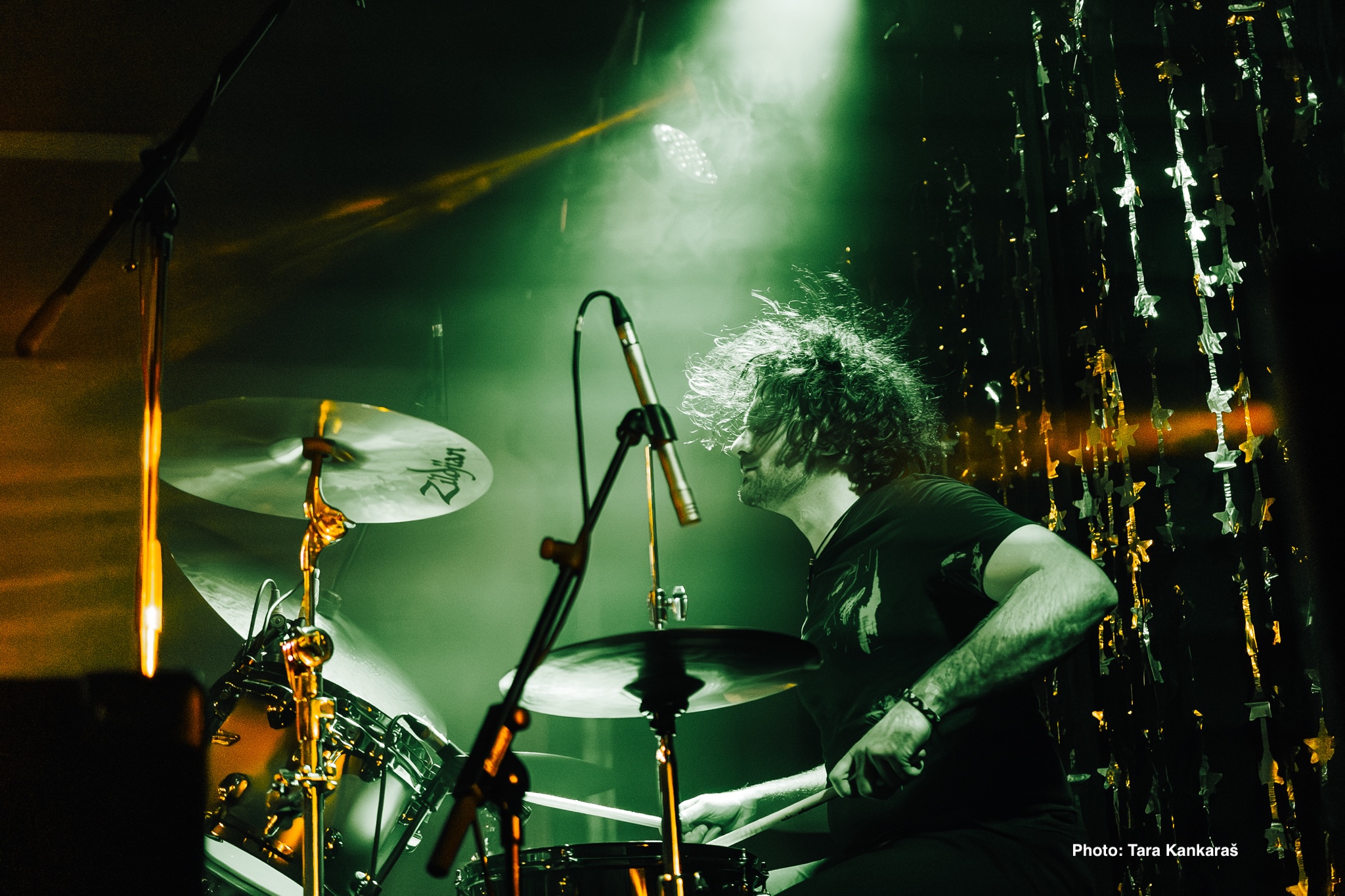
Blaž Horvat is more than just the drummer for Yoko Nono; he is also a producer and sound engineer. His approach to drumming is built on carefully complementing vocal melodies, maintaining high energy, and seeking an authentic sound through different genres, new techniques, and innovative materials. We spoke with him about his journey, his gear, and the philosophy that drives him behind the kit.
Blaž, you just returned from a tour. How was the experience? Is it a major shift from playing local gigs?
“It definitely is. This tour was a bit different because I was working as a sound engineer for The Magic of Tina Turner (a tribute band). We traveled from northern Austria and southern Germany down to Vienna and Eisenstadt. It was a great experience, though you’re constantly in a “bubble”—moving only between the hotel and the venue. It’s a completely different world compared to the local scene; you see a high level of professionalism at every step, and the venues were top-tier.“
You weren’t behind the drums this time, but your primary role remains on stage. Where can we hear you play lately?
“I’m the drummer for YOKO NONO. We play a style of indie rock that blends modern production with very expressive lyrics. The band maintains a high-energy “punch” that really hits the audience. Over the last year and a half, we’ve played everything from small clubs to really big stages. My role in the band is twofold: I’m the timekeeper, but I also approach drumming from a producer’s perspective.”
How does that producer’s perspective influence your playing style?
“I listen closely to what everyone else is doing and what the song actually requires. My goal is to avoid overplaying. In my previous band, Imset, I could get away with more complexity, but with Yoko Nono, I’ve taken a different approach. I focus on the vocals—the rhythm and the melody. Lately, I’ve been focusing on how to support the vocal line with the drum part without overpowering it.”
Unlike many classic indie drummers, you bring a fair amount of aggression to the genre. Why is that?
“’I’ve always been fascinated by bands like Coldplay. Even though they are mainstream and have “polished” guitars and synths, their drummer (Will Champion) maintains incredible energy. I love tracks where the drums and vocals drive the power of the song. You don’t always need fully distorted guitars to make a song hit hard. In indie rock, I like the fact that there is still “air” in the room, allowing you to hear the performance and the emotional nuance.I’
Who were the influences that shaped you as a musician?
“I started as a metal fan—fast fills, polyrhythms, and technical complexity. Then Travis Barker (Blink-182) and Josh Dun (Twenty One Pilots) opened up a new world for me. They showed me that you don’t need to play a thousand notes; a solid, simple rhythm with well-placed fills is often much more powerful.
I also have to mention Dave Grohl. His work with Nirvana, the early Foo Fighters albums, and Queens of the Stone Age is unique. You immediately know it’s him behind the kit, even if he’s playing a simple backbeat. I admire that—having your own signature sound on the instrument.”
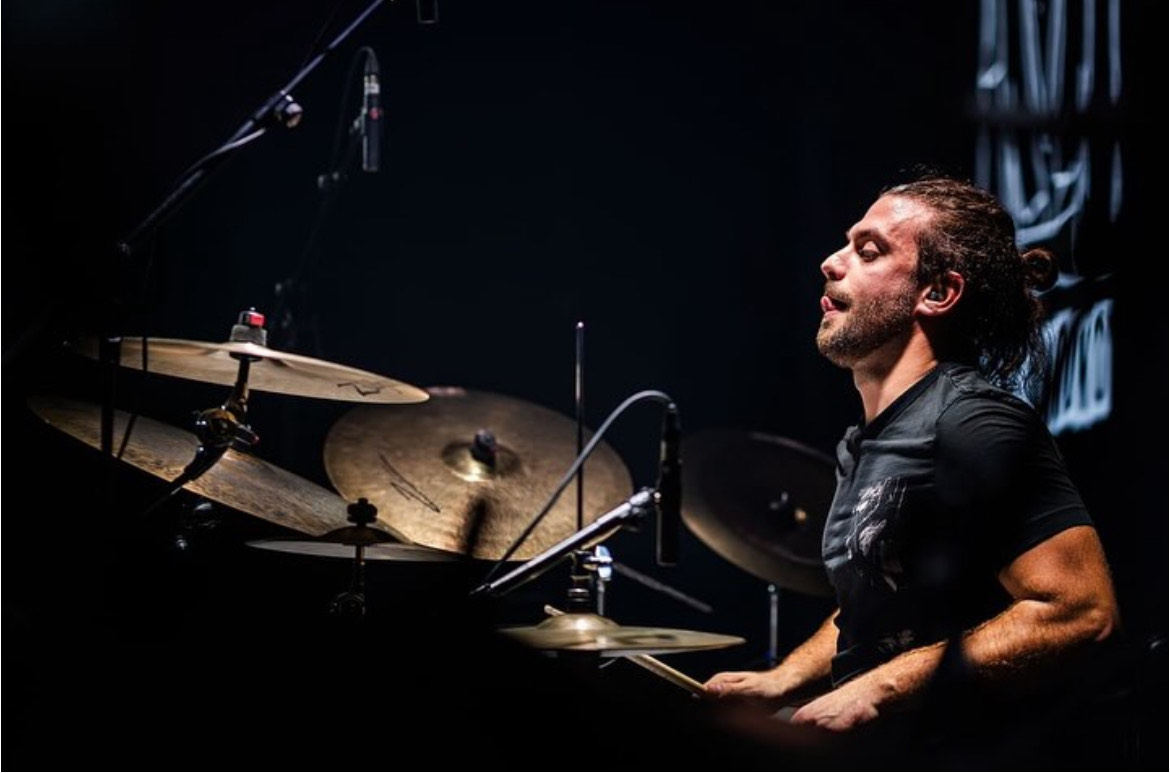
You’ve been playing for 18 years. Do you feel you’ve developed that signature “signature” yet?
“Maybe I’m not all the way there yet, but there are certain elements people recognize. It’s likely that mix of pop-rock with a more aggressive, metal-influenced touch. I have a pretty heavy hand on the snare, and visually, I find it hard to stay still on stage (laughs).”
Given your heavy hitting, what kind of gear do you choose? Are you a traditionalist or do you like to experiment?
“I’m not your typical “maple” drummer. Currently, I’m really enjoying a Birch/Bubinga combination. However, because of American production, my ears are very accustomed to the maple sound, so I’m always looking for that specific warmth and presence.
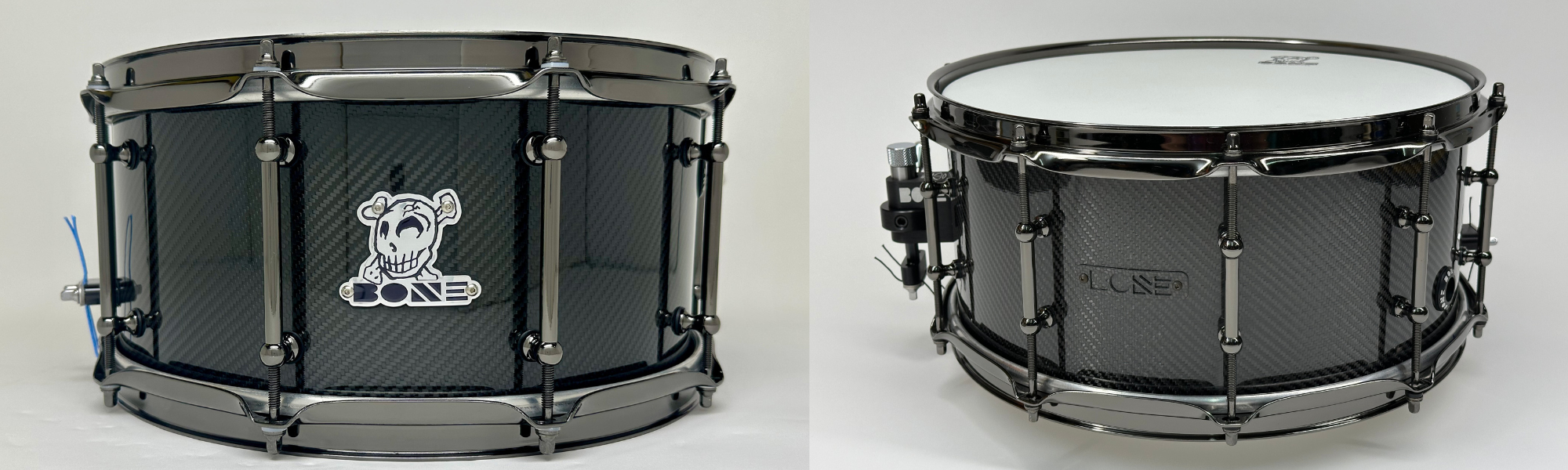
I love experimenting with snare drums. I love the sound of brass, like the iconic Black Beauty. Lately, however, I’ve been very impressed with BONE Drums. I use your TRUE Carbon Hybrid snare. That blend of maple and carbon gives me the aggression and presence of brass, but it’s more controlled for smaller clubs. Plus, it’s incredibly light. When you’re carrying it up the stairs, it feels like the bag is empty, but on stage, it “pops” like the best American drums.”
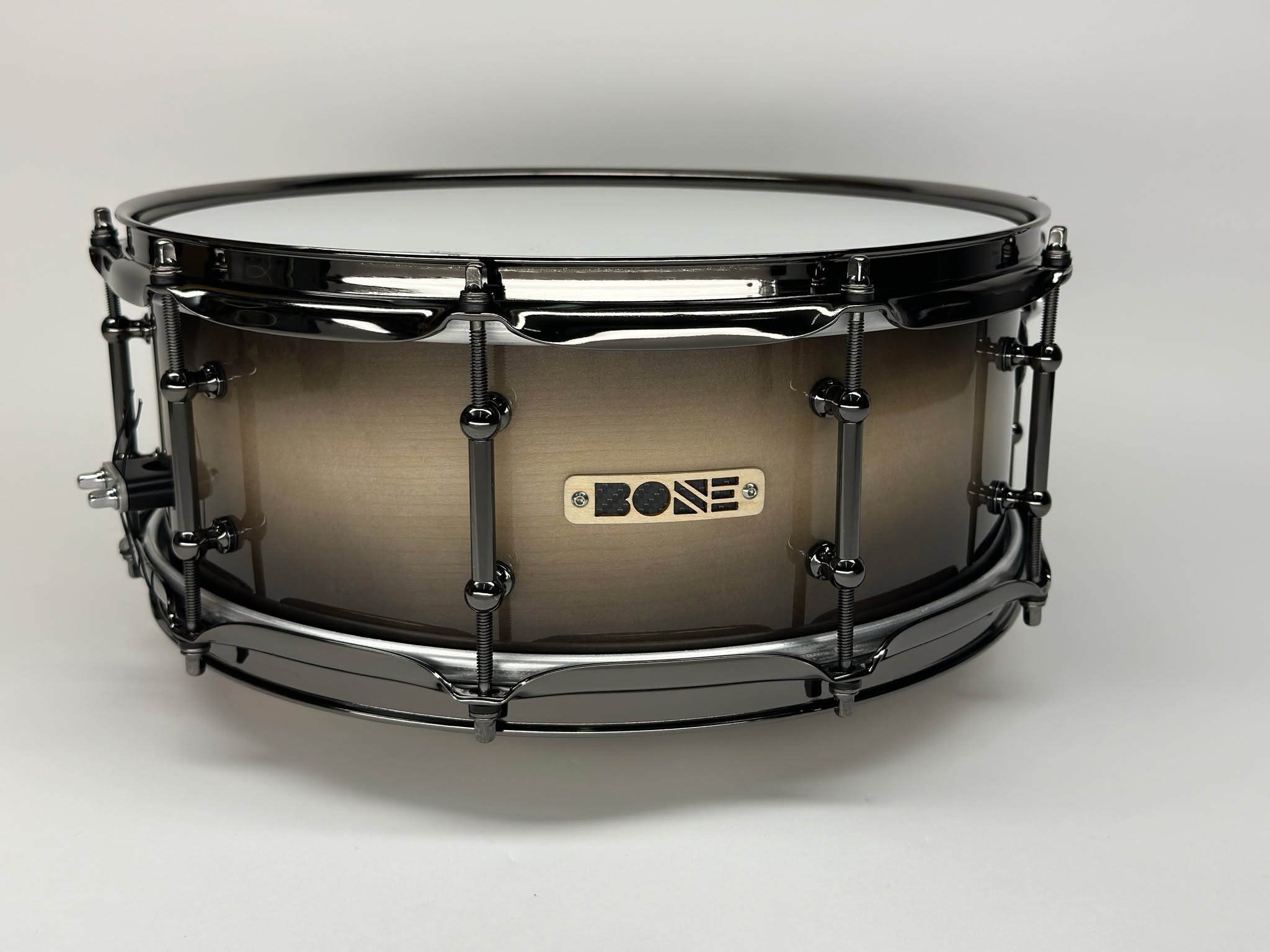
You mentioned hybrid materials. How do you view the versatility of modern kits?
“I’m fascinated by the range of modern drums. I work with Tomi Purich and see how his BONE hybrid kit sounds excellent in both a jazz trio and a pop project like Eva Boto. It all comes down to tuning and feel. I always adapt to the band. I don’t want to be the drummer who stands out where it isn’t necessary. To me, drums are a melodic instrument.”
Your answers reflect a wide range of musical styles. From metal to pop, and now you’ve mentioned funk?
“Yes, I’ve been diving into funk lately. I was inspired by Petar Janjić (Cory Wong’s drummer). What I love about funk is that everything revolves around the groove. You set a simple, tasty rhythm that forces that classic “stank face.” Even though parts can be technically demanding due to coordination, the essence is to give the song exactly what it needs.”
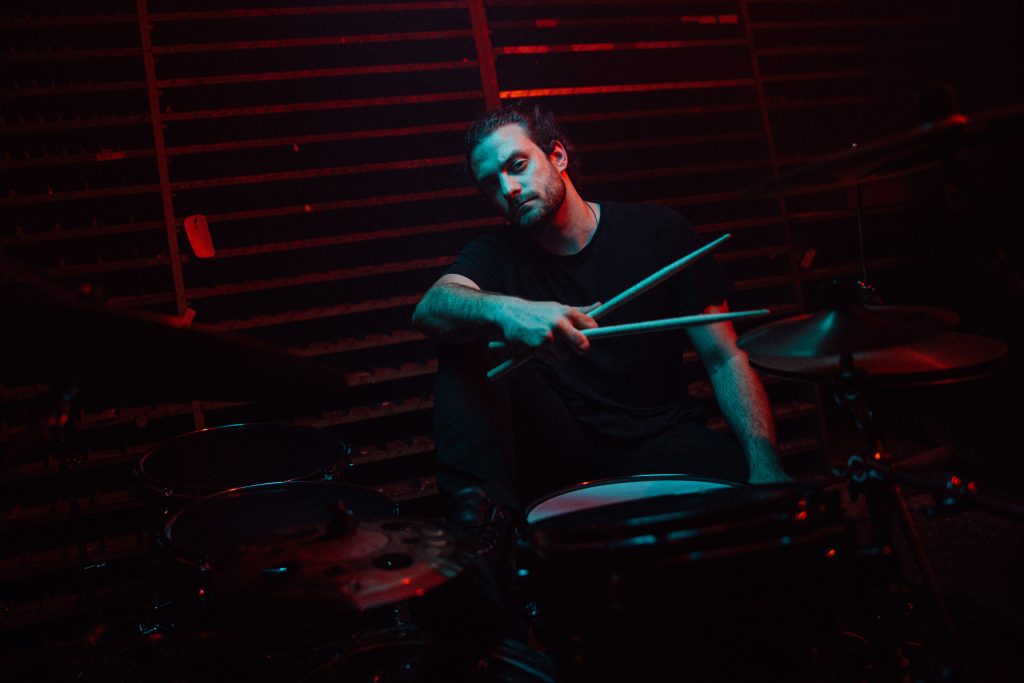
How often do you actually practice these days with so many projects going on?
“I try to stay consistent. Even on my busiest days, I try to sit behind the kit for at least half an hour. Consistency beats everything. It’s harder on tour, but sometimes a break actually helps. Practicing with a click is like meditation for me—you completely tune out and time just disappears.”
There is so much electronics, even AI, and synthesized rhythm in music today. Does that worry you?
“No, I think human “feeling” is always felt. Even if you use synthetic sounds, you can play them live on pads and add your soul to them. The difference between a sterile, programmed drum machine and something with “vibe” is obvious. People are still looking for an authentic experience. As for electronic versus acoustic drums… for me, there is no contest. Electronic kits are great for home practice, but the satisfaction of hitting a real acoustic drum is irreplaceable.”
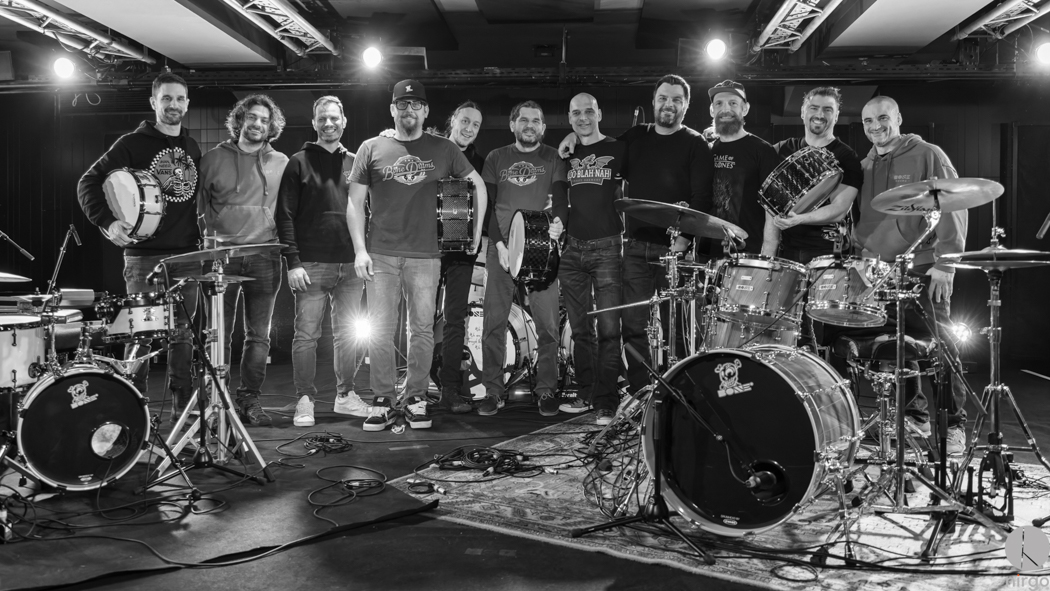
Finally, thank you for joining us at BONE Winter Groove 2026 this month. What keeps you coming back every year, and why is it important to keep organizing these events?
“Music education is changing, and there are fewer opportunities for young people to see instruments played live in schools. It’s vital to keep the enthusiasm for music alive. When people with the same energy come together, great things happen. Furthermore, we have world-class products here in Slovenia that don’t get talked about enough. We need to support local expertise and the community that lives for this instruments (drums).”
LINKS: Instagram, Facebook, Instagram YOKO NONO, Facebook YOKO NONO, YouTube YOKO NONO